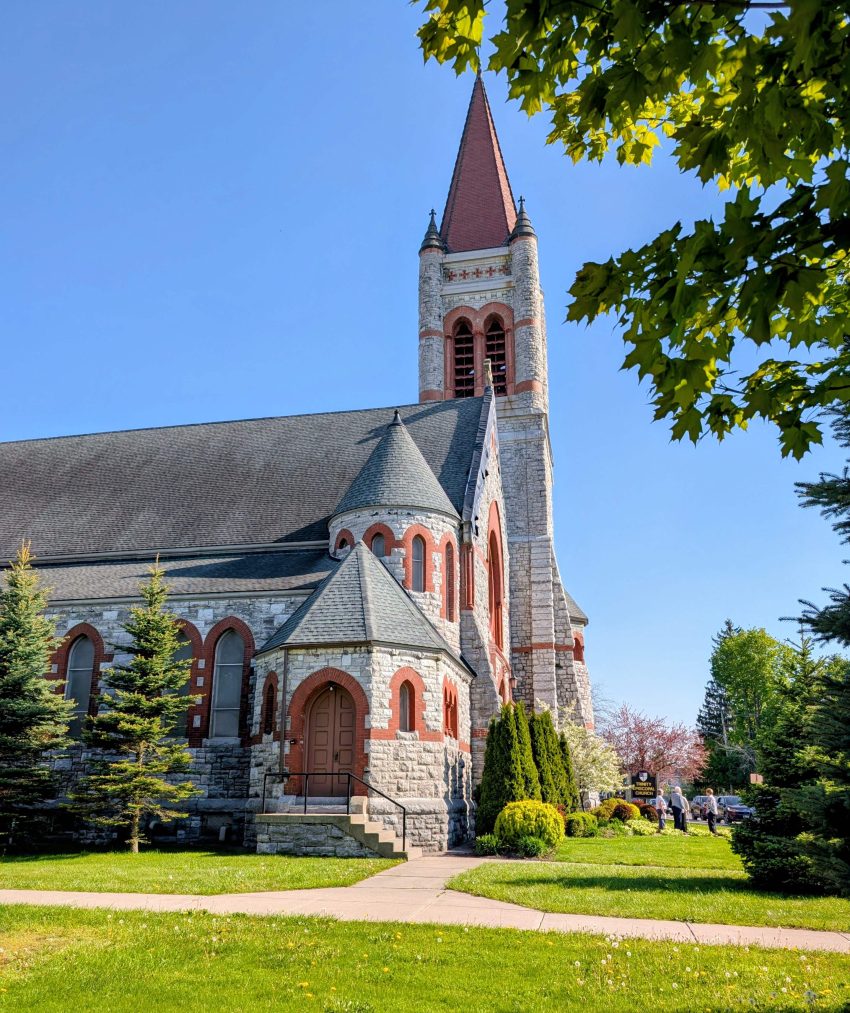
In Canada, Anglican churches are at the forefront of choral training. Their embrace of sacred music enhances the liturgical experience. The same can be said of Episcopalian communities south of the border. On May 17, Trinity Episcopal Church in Watertown, NY — 200 kilometres southwest of Ottawa — hosted a concert featuring sacred classics for the choir and organ entitled “In the Splendour of Light.” The ornate church, consecrated in 1890 and incorporating both Richardsonian Romanesque and Gothic Revival elements, proved a welcome refuge from the heat and humidity that swept away spring’s temperance that Sunday afternoon.
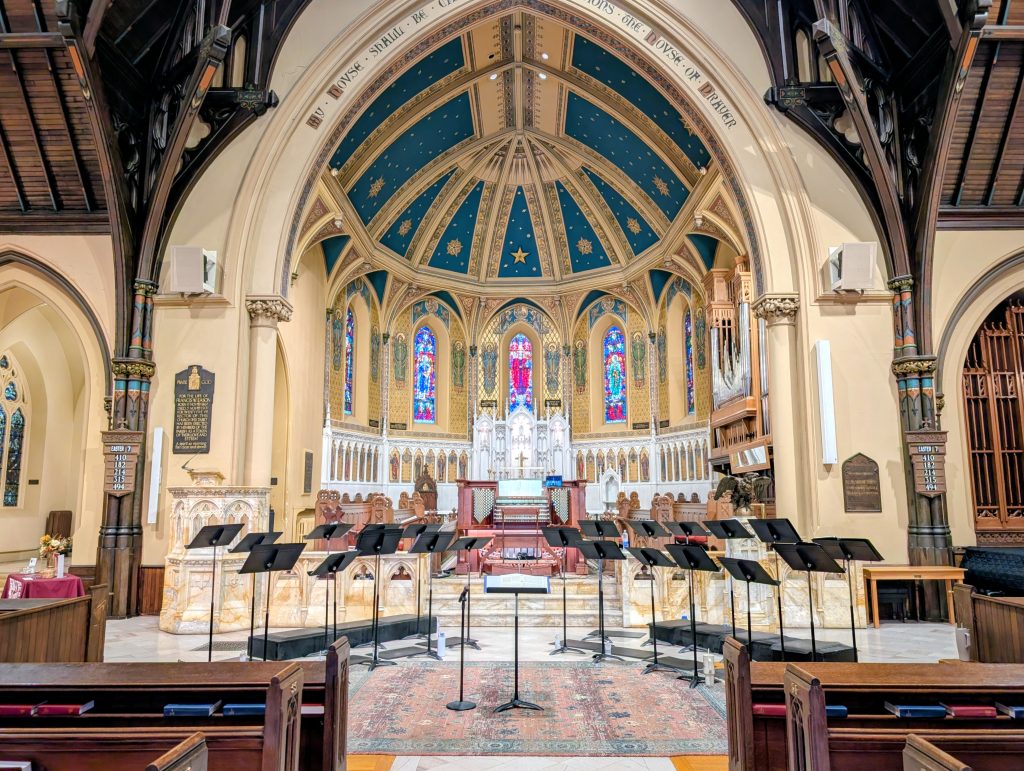
The afternoon concert, offered by the Watertown Musica Viva choir, was part of the Trinity Concert Series, an initiative launched in 2006 and now in its nineteenth season. The series operates on the premise that both music and the arts in general are vital to the health and the vibrancy of any city. This is abundantly true in Watertown — a North Country community of 24,000 residents where grand, heritage architecture stands as a lasting testimony to a city with a rich past, and one also clearly marked by contemporary economic and population decline. The purpose of music in liturgy is no less important. As the parish community observes on its website, “music has the profound ability to speak to the soul in ways that words alone cannot. In liturgy, the purpose of music is to glorify God.”
Trinity Episcopalian Church’s roots go back to 1833. The first church was destroyed by fire in 1849 and the second church, completed in 1851, soon proved too small for the growing parish. The funds to build the grand, Romanesque stone church came in large measure from the Flower family, which included Roswell P. Flower, the former Governor of New York and a Congressman in the US House of Representatives. Through much of its history the United States Episcopal Church, despite the relatively modest number of communicants, carried significant weight in American public life.
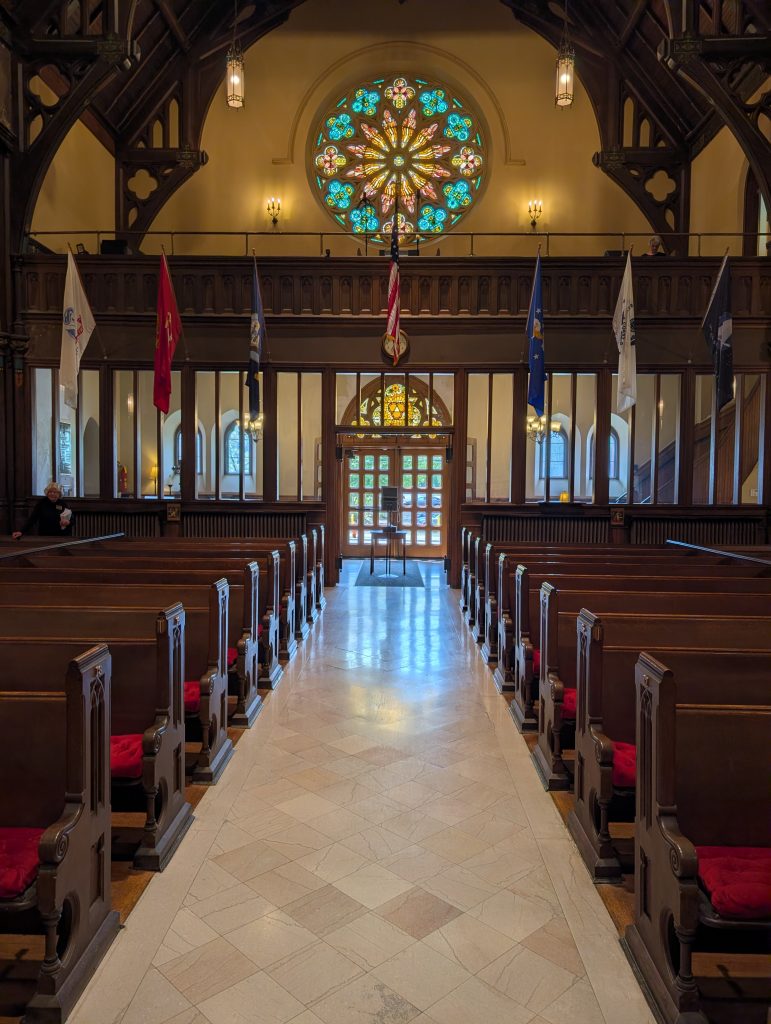
The church’s chancel underwent significant upgrades in 1922 and again in 1976. The steeple was restored in 2000 and a new parish centre was erected next to the church in 2010. The work of preserving a heritage site is never over. In fact, this Watertown Music Viva concert featured — for the first time — the newly replaced and movable organ console, which controls the church’s organ. The console includes the inscription “We praise thee, O God,” from the Latin hymn Te Deum laudamus.
The nearly two-hour concert began with Antonín Dvořak’s Mass in D-Major. The composition dates back to 1887 and includes the Kyrie, the Gloria, the Nicene Creed, as well as the Sanctus, the Benediction and the Agnus Dei. The printed program booklet included the words of the Mass in both Latin and English.
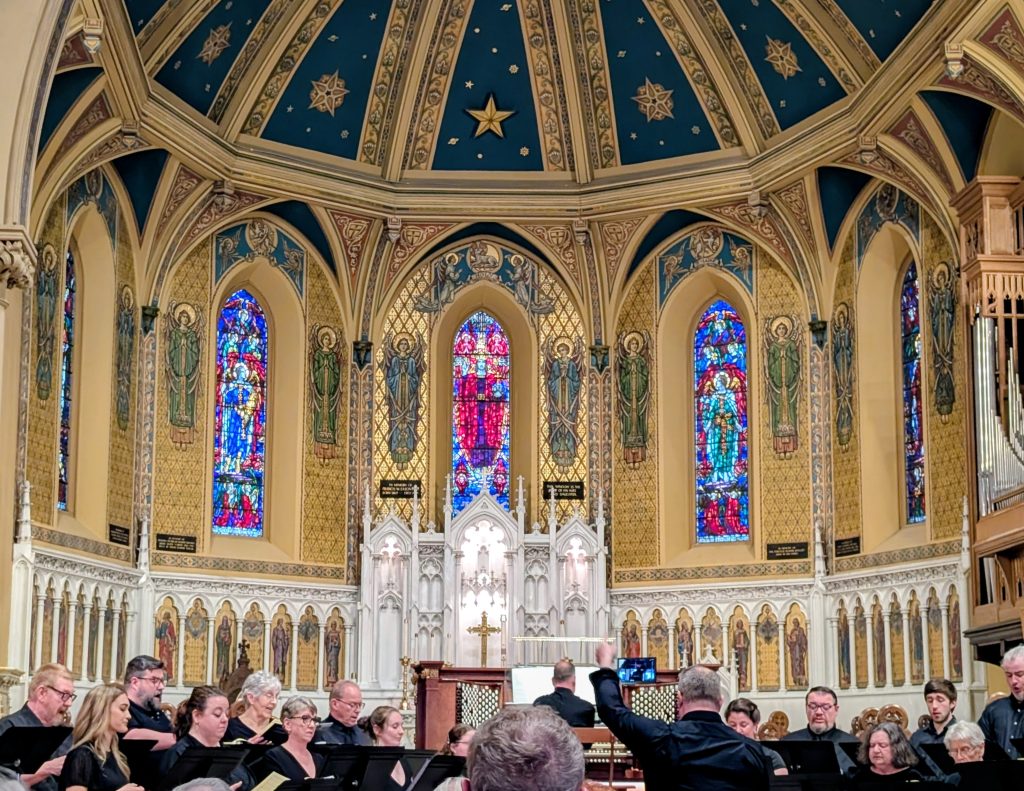
Following an intermission, the concert continued with a selection of sacred pieces by English and American composers. Here too, the program booklet included the lyrics of each piece, most of which were Scripture set to music. These included works by William Mathias, Herbert Howells, David McKinley Williams, John Ireland, Leo Sowerby, and Charles Villiers Stanford.
The concert was directed by Kyle P. Ramey, with Mitchell R. Weisiger on the organ. Mr. Ramey offered informative narration before each work, with context on both the composer and insight into the stylistic features of the piece that we were about to hear. For instance, our attention was drawn to Sowerby’s career as a de facto “dean” of American church music, as well as to the anthem “Eternal Light,” with its sweeping and evocative mid-century cinematic style. The concert was enhanced by solos from Abigail Duffy (soprano) and Caleb Reid (baritone).
For this writer, “In the Spendour of Light” and the opportunity to see the interior of this historic gem served as the highlight of the Victoria Day long weekend.
Christopher Adam
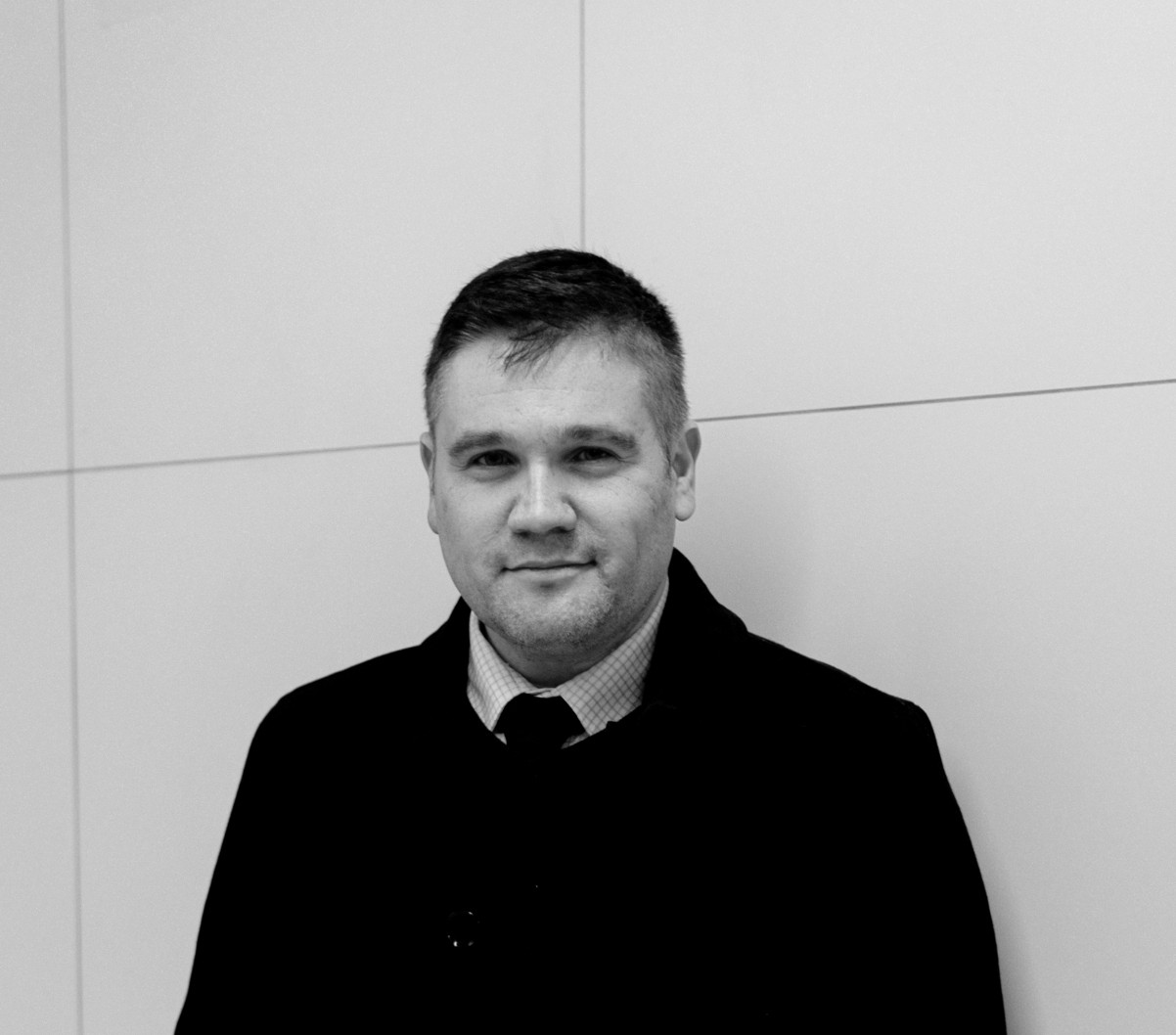
Born in Montreal, Christopher Adam has called Ottawa home for the past twenty years. He received his MA from Carleton University, with a thesis focusing on twentieth century European church history, and a PhD in History from the University of Ottawa. Over the years, he has published widely and works in the faith-based charitable sector in Ottawa.
Great to hear about the music program! It is said that even the humblest voice pleases God when we sing our prayers & praise to the Almighty.
I am disturbed by placing the organ in front of the high altar however. I attended Trinity for a couple of years there when I was in the Army. The liturgy was Eucharist focused and this seems to be lost when an organ is placed before the altar and by position becomes the center of focus. I hope it was only temporary for the show. Were it permanent I would think the parish leadership and the Rector had lost their minds.
The console is moveable and only centered in the chancel for the concert. The liturgy is still Eucharist focused and the console normally resides on the north under the arch between the chancel and baptistery.